There's a persistent misconception in hospitality that a bartender and a beverage consultant do the same job at different price points. They don't. A bartender executes a menu. A beverage consultant designs one - starting not from a list of popular cocktails, but from the identity of the brand, event, or host the menu is meant to represent.
At Ounce Dubai, we position ourselves deliberately as beverage consultants, not a bartending or mobile bar service. The distinction matters, because it changes the entire starting point of the work: instead of asking "what should we serve?", the first question becomes "what should this brand, this couple, or this moment taste like?"
What Is Beverage Consultancy, Exactly?
Beverage consultancy is the strategic design of a drinks programme - menu, flavour, presentation, and staffing - built around a client's brand identity, story, or event objectives, rather than a standard or generic offering. It draws on principles from branding, sensory design, and hospitality strategy as much as it does from mixology technique.
Where a bartending service typically arrives with an existing menu to execute, a beverage consultancy begins with discovery: understanding a brand's colours, tone, heritage, and audience before a single recipe is written.
Why Your Drinks Should Reflect Your Brand
Every other element of a luxury brand or event is usually designed with intention - the typography, the colour palette, the venue, the lighting. Drinks are one of the few elements guests physically consume, making them one of the most direct, sensory ways a brand can be experienced. Left generic, they represent a missed opportunity; designed well, they become one of the most memorable parts of the entire experience.
The Building Blocks of Brand-Reflective Beverage Design
- -Signature Drinks. A signature drink isn't simply 'the best cocktail on the menu' - it's a specific creation that exists because of, and only because of, the brand or event it was made for. It gives guests, press, and social media a specific, ownable reference point, and it does something few other elements of an event can: it gives the brand or host a piece of intellectual and creative property that's genuinely theirs, rather than borrowed from a generic cocktail trend list.
- -Custom Menus. Rather than adapting a standard cocktail list, a custom menu is built from a brief: the brand's story, its tone, its audience, and its occasion. Every drink on the menu should have a reason for existing beyond 'it's popular.' This also means resisting the temptation to include every trending ingredient or technique - a tightly curated menu of five to eight drinks, each with a clear purpose, consistently outperforms a sprawling list assembled to appear comprehensive.
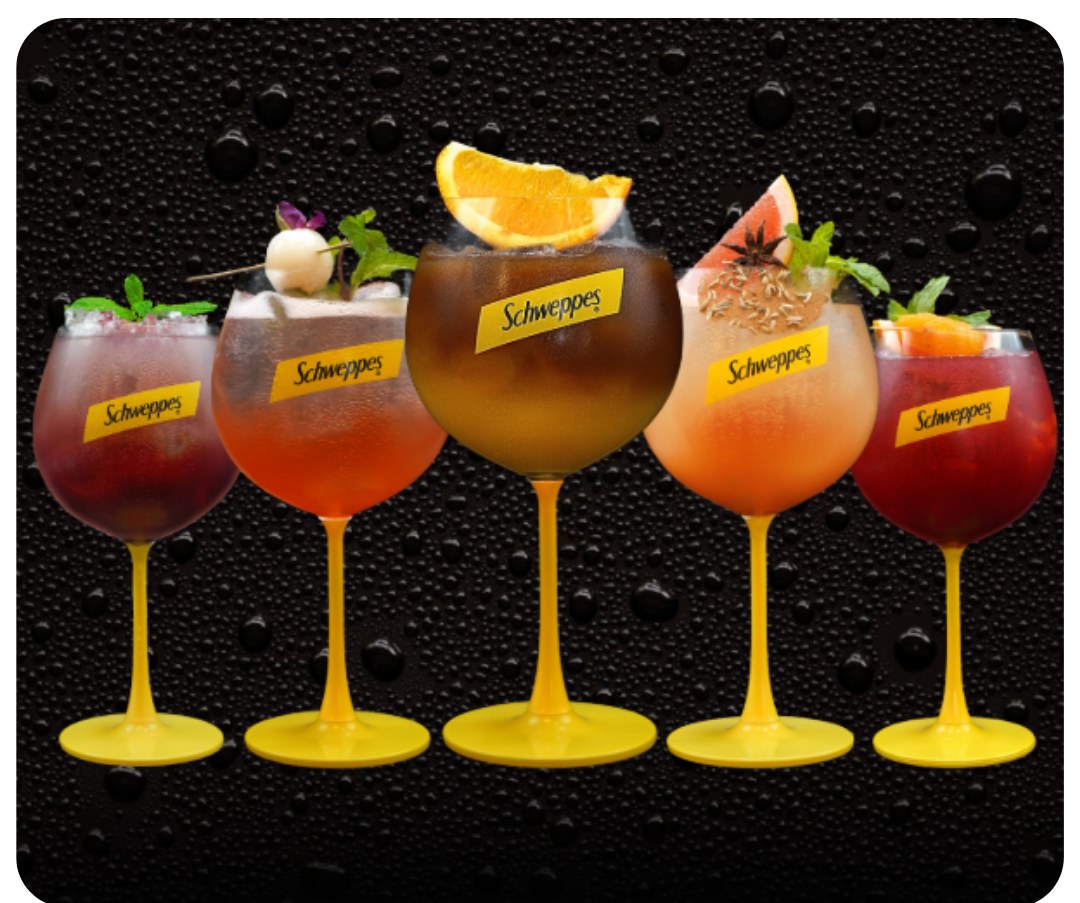
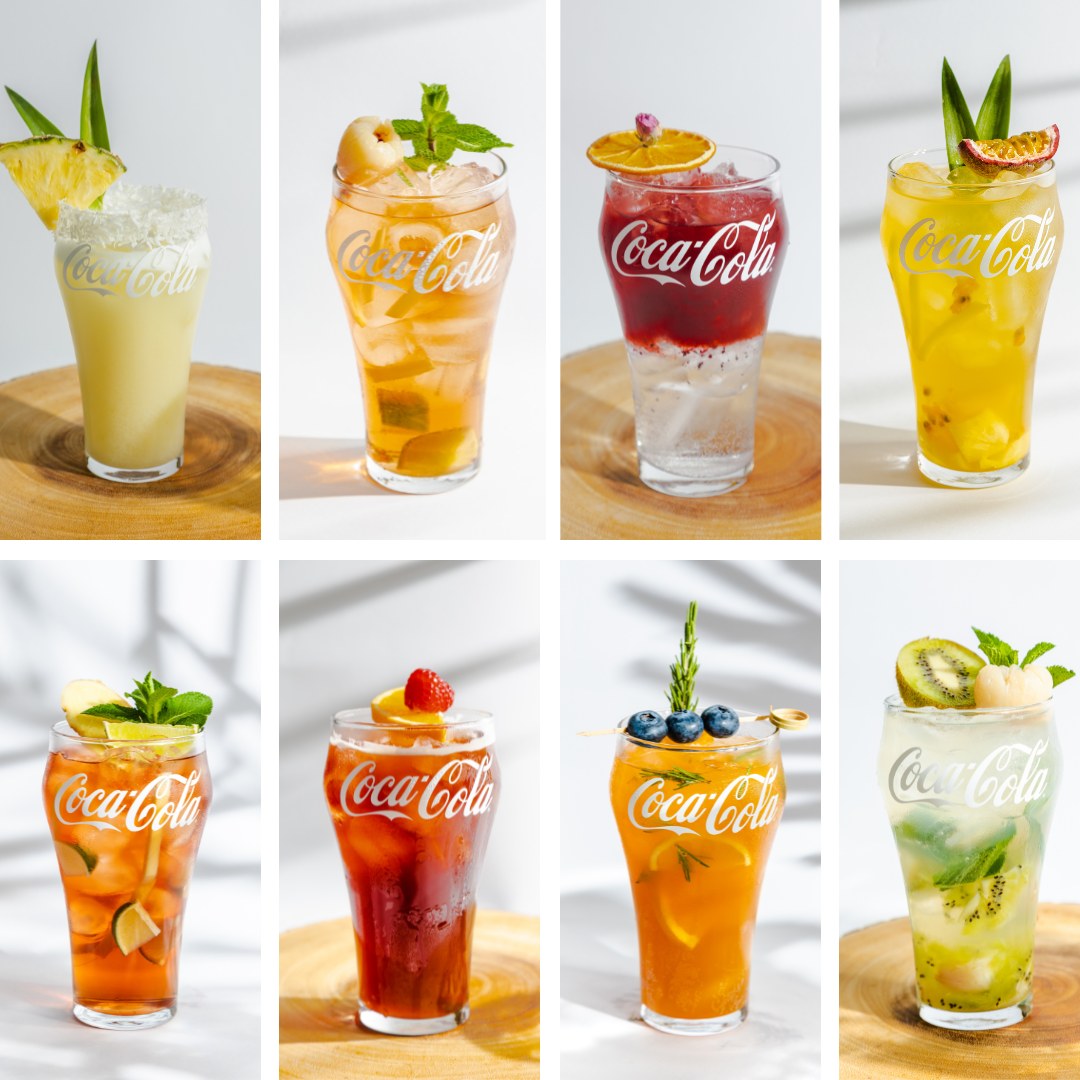
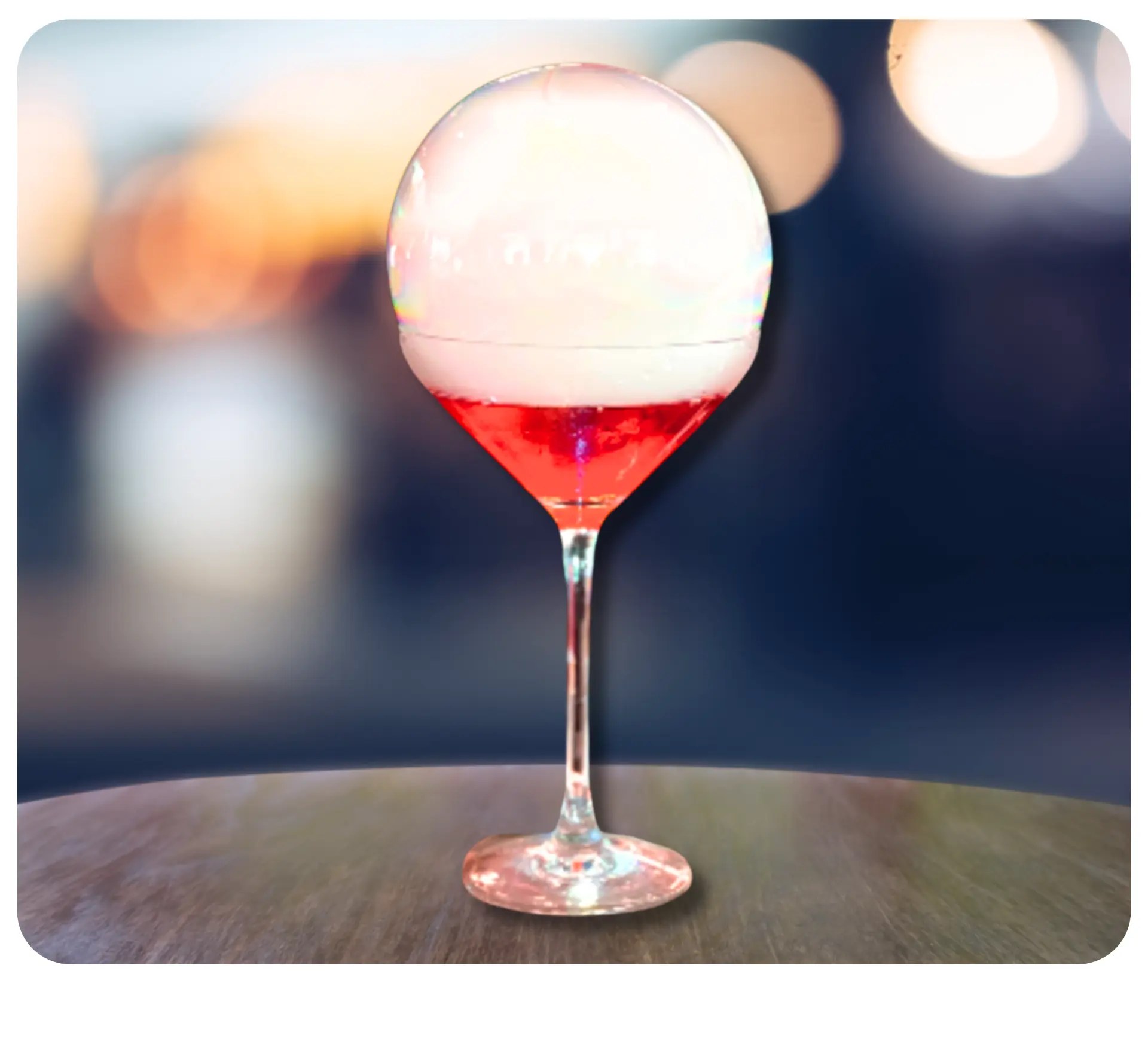
- -Colour Psychology. Colour carries meaning before a guest takes a single sip. A deep amber tone might suggest warmth, heritage, and craftsmanship; a clear, pale palette might suggest precision, modernity, and lightness; a deep red might carry connotations of boldness, luxury, or passion depending on context. Matching a drink's colour to a brand's palette - using natural ingredients rather than artificial dye wherever possible - reinforces recognition instantly and photographs beautifully, functioning almost like a visual signature in the same way a logo colour does.
- -Flavour Design. Flavour is where storytelling becomes physical. A spice associated with a founder's heritage, a citrus note tied to a destination, a bitterness that echoes a brand's 'no-compromise' positioning - flavour design translates brand attributes into something guests taste and remember. This is arguably the most technically demanding element of beverage consultancy, since flavour has to work on its own terms as a genuinely enjoyable drink, not just as a clever concept on paper.
- -Storytelling. The strongest beverage programmes give staff a short, genuine story to share about each drink. This transforms the moment of service from transactional to memorable, and gives guests something specific to mention when they describe the event afterward. Importantly, this story needs to be brief and natural to deliver - an over-rehearsed or overly long explanation can undercut the moment rather than enhance it.
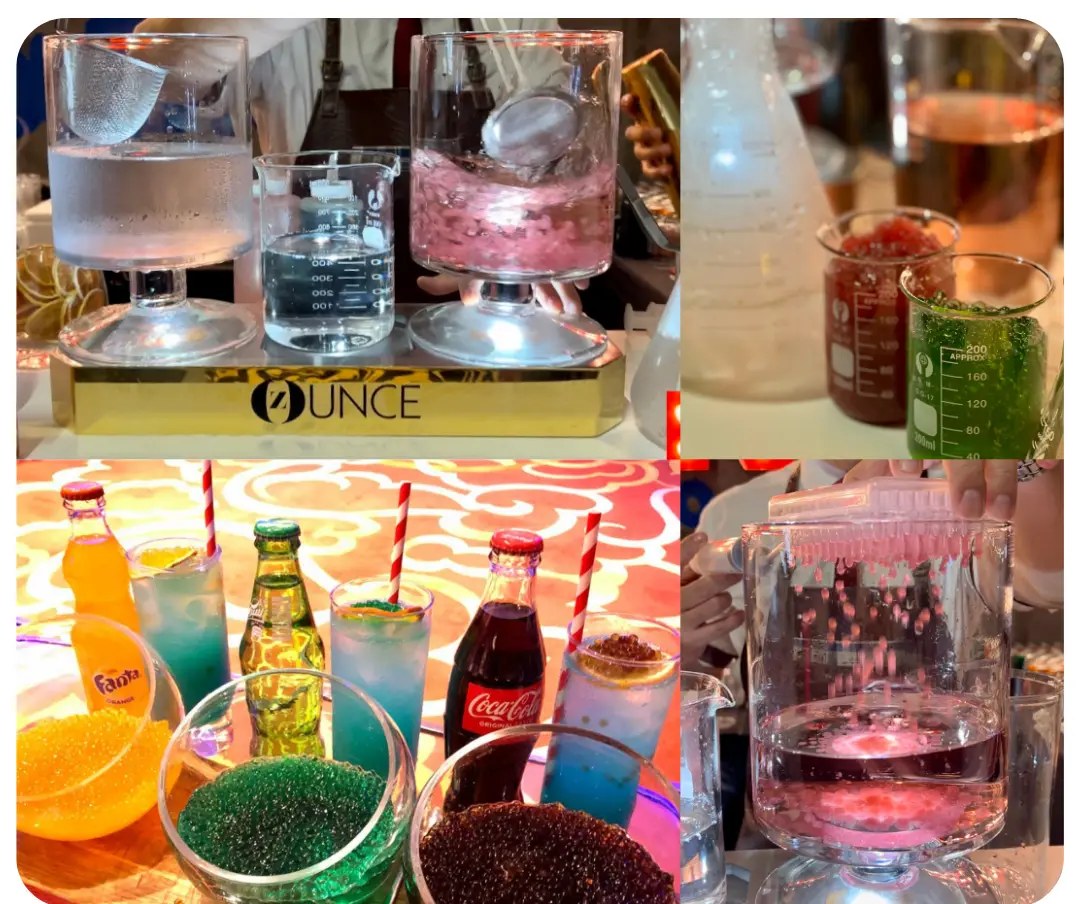
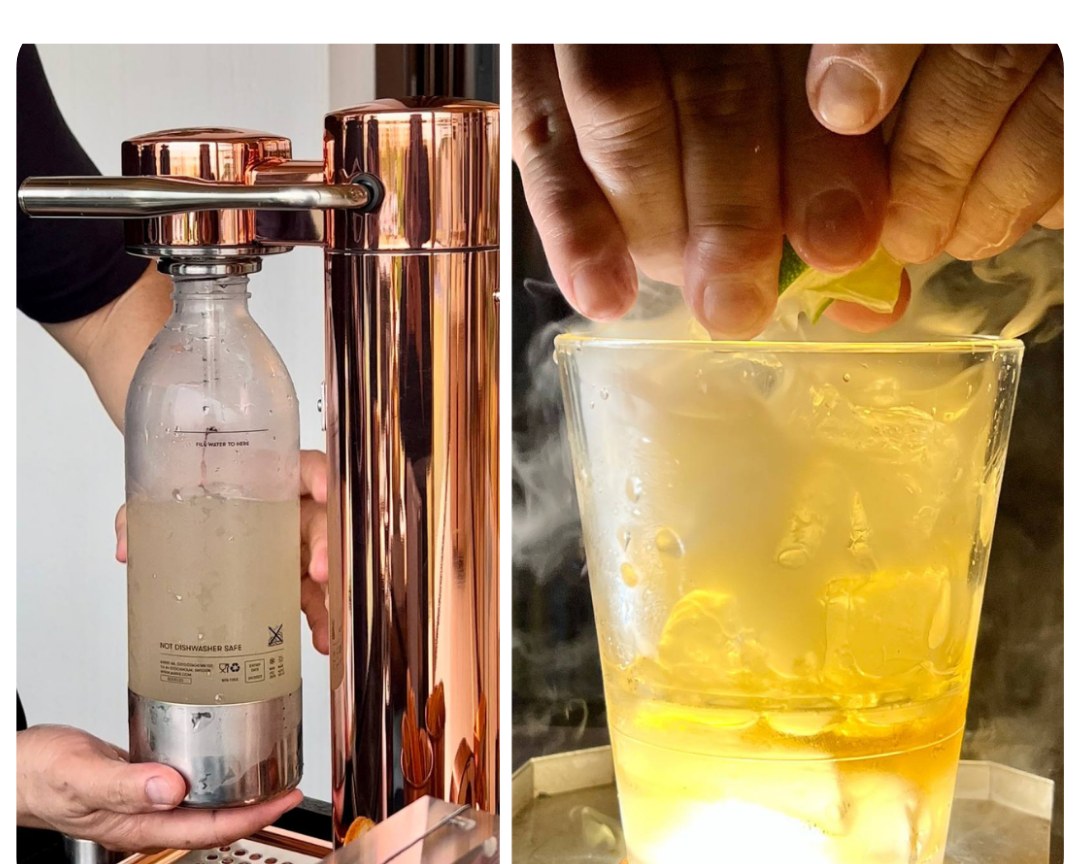
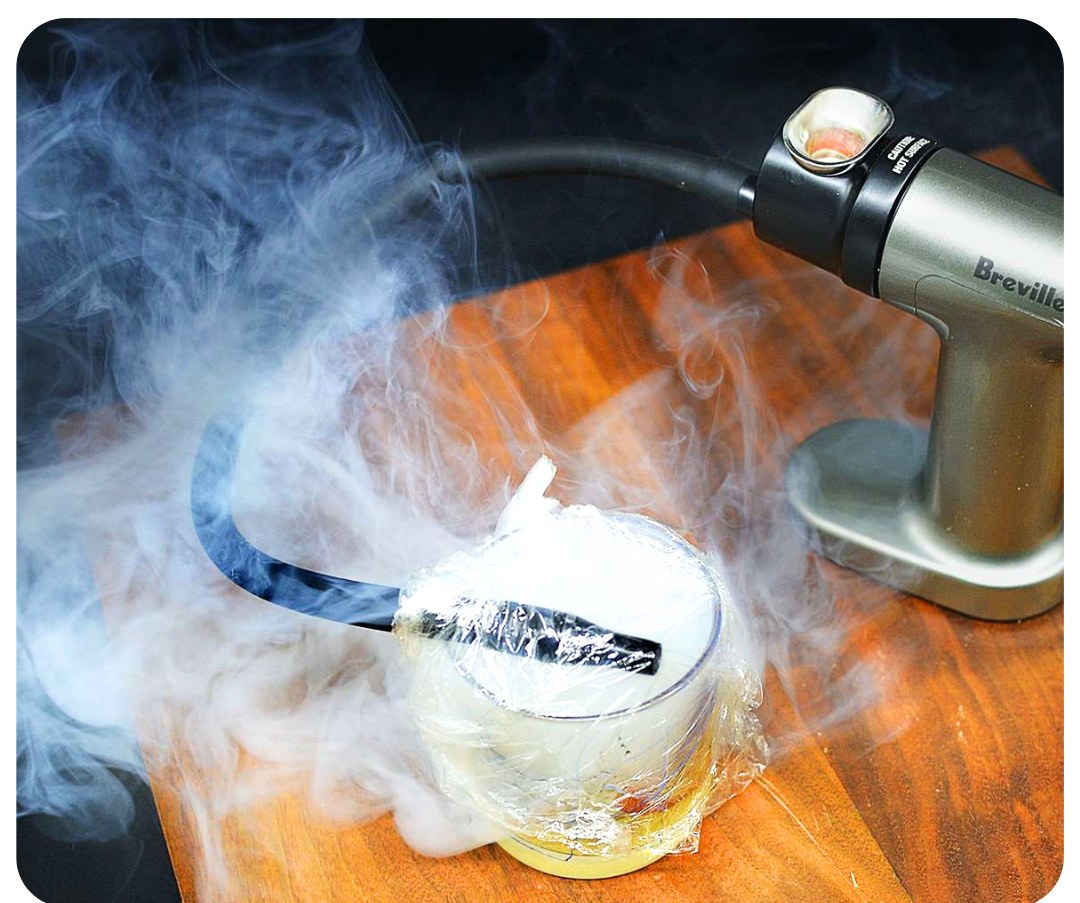
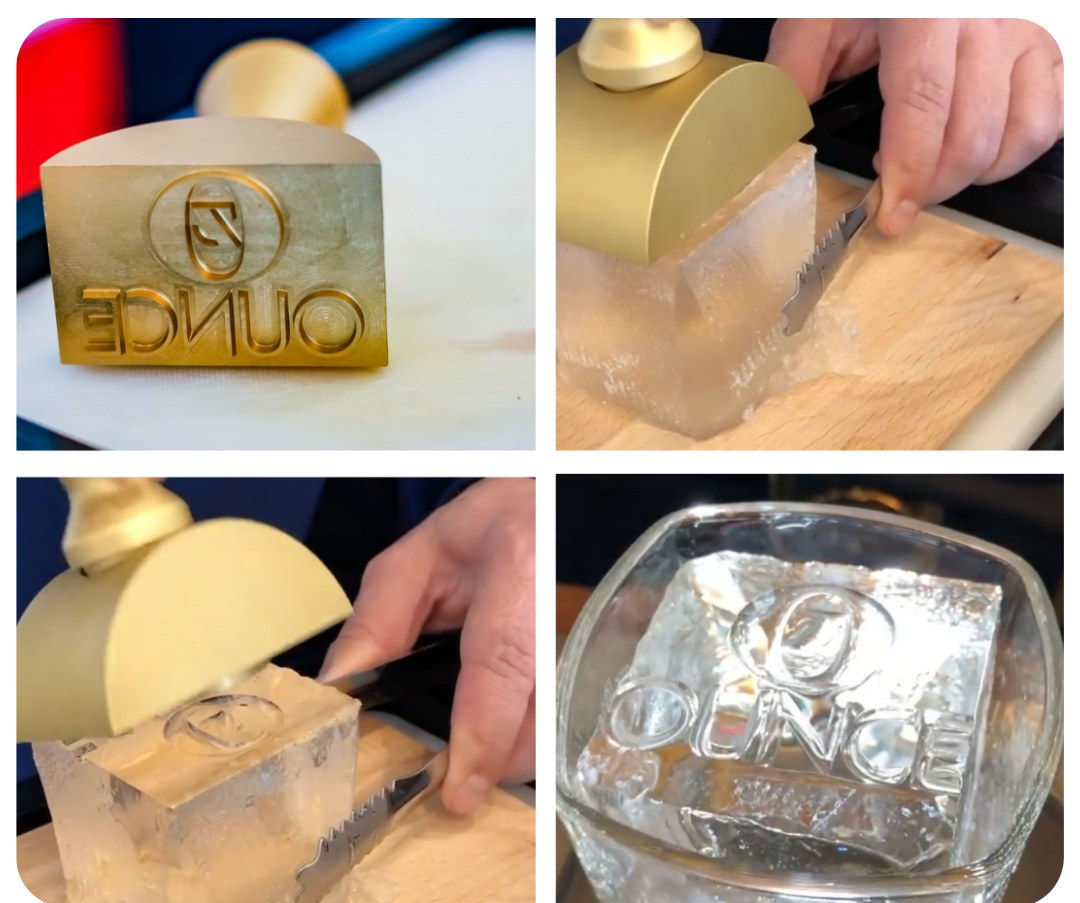
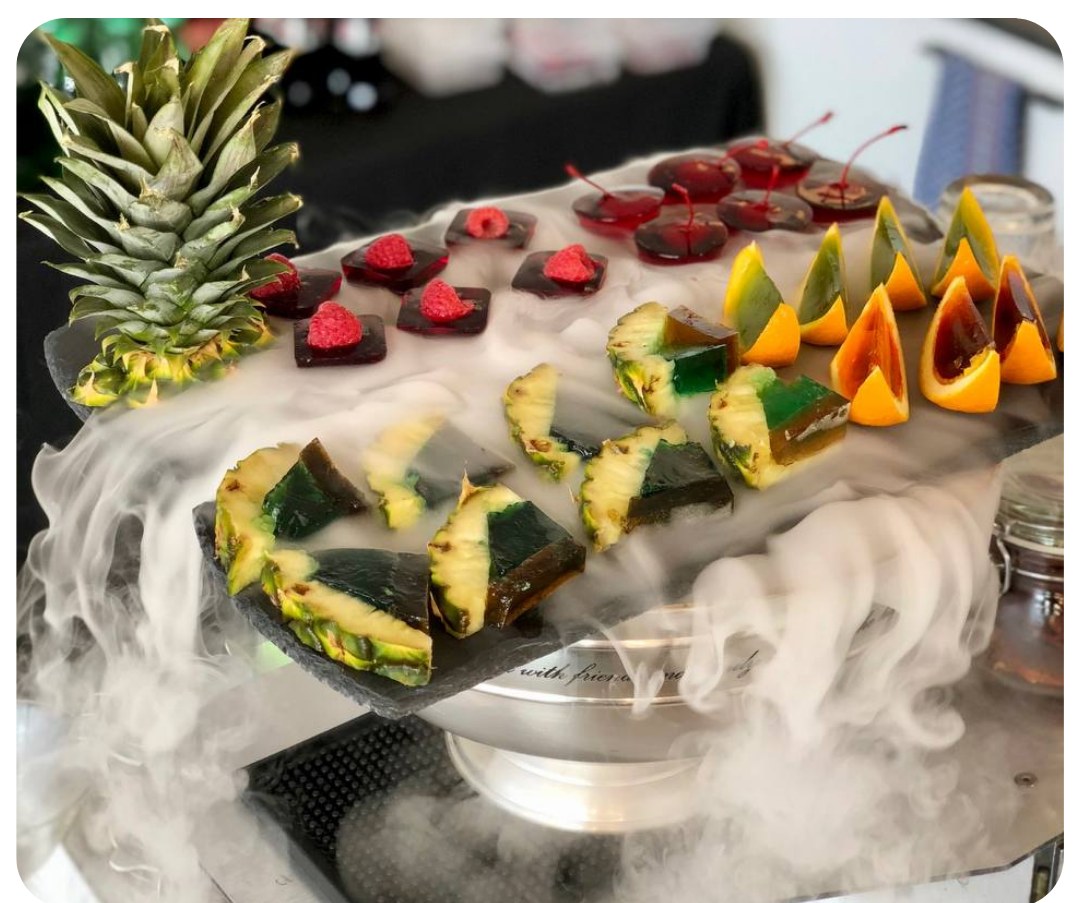
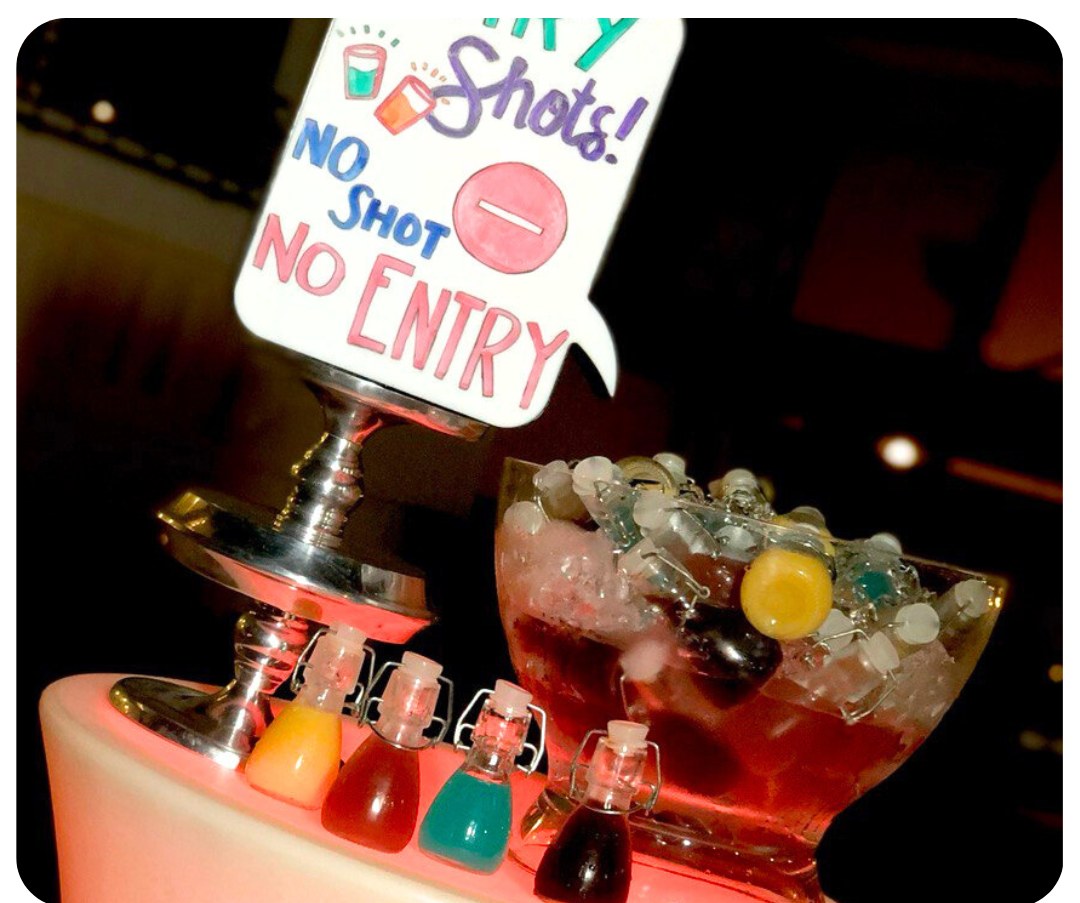
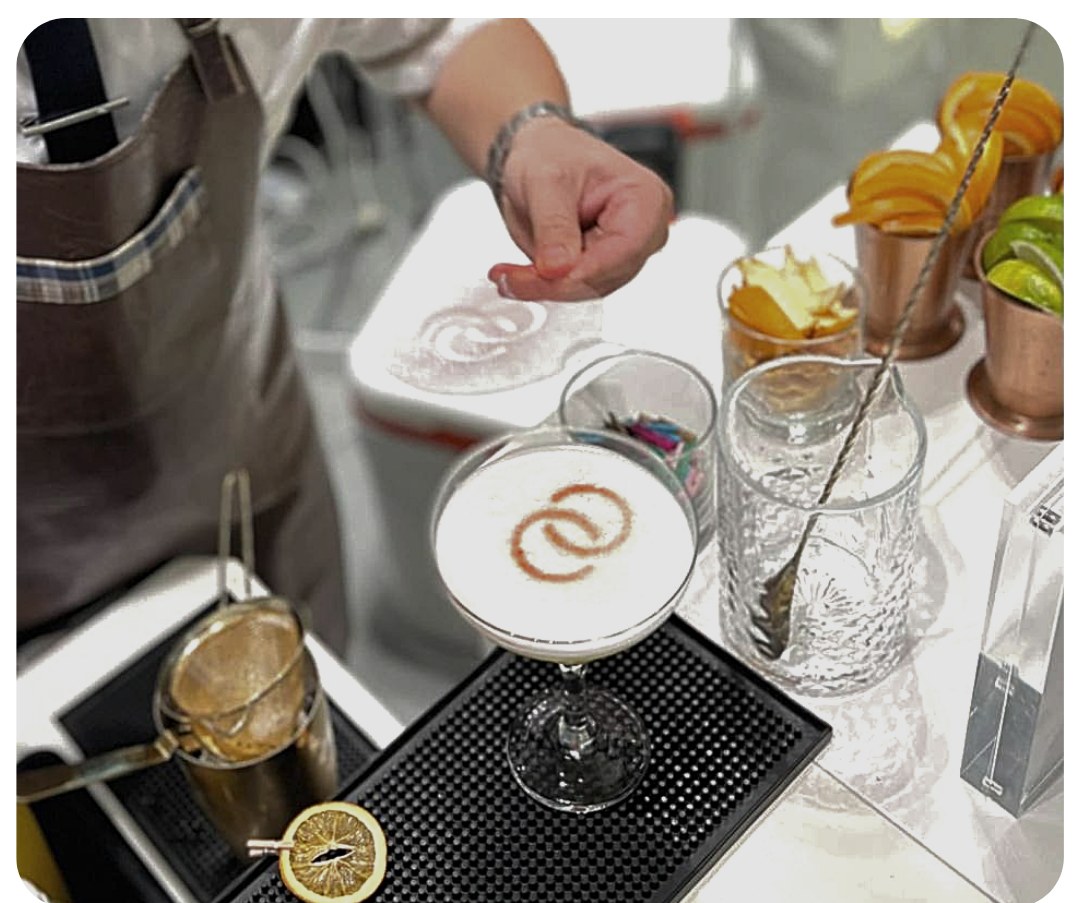
- -Premium Presentation. Glassware, garnish, ice, and the physical motion of preparing a drink all communicate quality before a guest tastes anything. Presentation is where design and craft become visible, and it's often the difference between a drink that's simply 'nice' and one that guests photograph and share - a distinction with real value for brands and hosts who want the event's impact to extend beyond the room it took place in.
The Business Case for Beverage Consultancy
For brands, hotels, and corporate clients weighing whether consultancy is worth the additional investment over standard bar hire, the case tends to rest on a few consistent returns.
- -Differentiation in a crowded hospitality market. Dubai's luxury events and hospitality scene is dense with well-executed venues, décor, and catering. A distinctive, brand-aligned beverage programme is one of the more cost-effective ways to stand out, precisely because so few hosts invest in it with real intention.
- -Extended brand exposure through guest-generated content. A signature drink designed with photography in mind tends to appear organically in guest social posts, extending a brand or event's visibility well beyond the room it was served in - at effectively no additional media cost.
- -Stronger guest recall. Because taste and smell are closely tied to memory, a well-designed beverage moment tends to be one of the more durable impressions guests carry away from an event, often outlasting their memory of specific visual details.
- -Reduced risk of a generic guest experience. Off-the-shelf drinks menus are, by definition, replicable across any venue or event. A consultancy-designed programme is not - which protects a luxury brand's sense of exclusivity and intentionality.
Common Mistakes Brands Make When They Skip Consultancy
Brands and hosts who default to standard bar hire rather than a consultative approach tend to run into a few recurring issues:
- -A drinks menu with no connection to the event's purpose, leaving one of the most sensory-rich touchpoints of the entire experience disconnected from everything else that was carefully designed.
- -Inconsistent presentation across a multi-venue or multi-event brand, where each booking effectively starts from zero rather than building toward a recognizable beverage identity over time.
- -A cocktail-first mentality that under-serves non-alcoholic guests, particularly costly in a UAE context where mocktail guests are frequently the majority.
- -Treating the beverage programme as fixed once booked, rather than iterating on it the way a brand might refine its visual identity or messaging over time.
Beverage Consultant vs. Bartender: A Practical Comparison
| Bartender / Standard Bar Service | Beverage Consultant |
|---|---|
| Executes an existing or generic menu | Designs a bespoke menu from a brand or event brief |
| Focus on speed and volume of service | Focus on guest experience, storytelling, and brand alignment |
| Standard ingredient sourcing | Ingredient and colour choices tied to brand identity |
| Mocktails often an afterthought | Mocktails designed with equal creative investment |
| Engaged for the event only | Often engaged earlier, alongside brand or event strategy |
| Success measured by service efficiency | Success measured by guest recall, engagement, and brand fit |
When a Standard Menu Is the Right Call - And When It Isn't
Not every event requires a fully bespoke beverage programme, and part of good consultancy is being honest about when a lighter-touch approach genuinely serves the client better. A small private gathering with a tight timeline and modest guest list may be well served by a refined, high-quality standard menu rather than a fully custom one - the craft and presentation can still be excellent without every element being bespoke.
Where a custom, brand-reflective programme earns its investment is when the event carries real strategic weight: a wedding meant to feel unmistakably personal, a brand activation designed to generate press and social coverage, a flagship corporate event meant to reinforce company identity, or any occasion where the host specifically wants guests to remember not just that they attended, but what made it different from every other event they've been to. Part of a genuine consultancy relationship is helping clients identify which category their event falls into, rather than defaulting to the most elaborate - and most expensive - option regardless of fit.
What the Process Actually Looks Like
- -Discovery. Understanding the brand, host, or event: story, values, colour palette, audience, and tone.
- -Concept Development. Translating that brief into drink concepts, including naming, flavour direction, and visual identity.
- -Menu Design. Building a full menu (cocktail and mocktail, in most UAE contexts) with balanced variety and consistent brand alignment.
- -Presentation & Styling. Selecting glassware, garnish, and bar styling that matches the wider event or brand aesthetic.
- -Staffing & Delivery. Briefing mixologists on both technique and story, so each drink is served with context, not just poured.
Who Benefits Most From Beverage Consultancy
- -Luxury hotels and hospitality groups wanting a signature beverage identity across properties or events
- -Brands and agencies running product launches, activations, or retail experiences
- -Couples and private hosts wanting a wedding or celebration that feels distinctly their own, not templated
- -Corporate teams wanting client-facing or internal events to reflect company identity
- -Government and institutional clients requiring a fully non-alcoholic programme designed with the same rigour as a cocktail menu
Why We Call Ourselves Consultants, Not Bartenders
The distinction isn't a branding preference - it reflects how we actually work. A bartending service is typically engaged close to an event date, handed a menu request, and asked to execute it well. That's a valuable skill, but it's a narrower one than what most luxury brands and hosts actually need.
As consultants, our work usually begins earlier and asks a different set of questions: What does this brand or couple want guests to feel? What story hasn't been told anywhere else in the event, that a drink could tell? What would make this beverage programme genuinely theirs, rather than something that could be dropped into any other event unchanged?
Those questions take time to answer well, which is why the strongest results tend to come from clients who bring us in during the planning phase, rather than treating beverage as a booking to finalize once everything else is decided. The output looks like a drinks menu. The process behind it looks much more like brand strategy.
Frequently Asked Questions
What is a beverage consultancy?
A beverage consultancy is a service that strategically designs a drinks programme - including menu, flavour, presentation, and staffing - around a brand's or host's identity, rather than offering a generic, pre-set menu.
How is a beverage consultant different from a bartender?
A bartender typically executes an existing menu; a beverage consultant designs a bespoke menu from a brand or event brief, often starting weeks before the event itself.
Why does colour matter in drink design?
Colour communicates meaning and reinforces brand recognition instantly, often before a guest has tasted anything - making it one of the most powerful, low-cost tools in beverage design.
Can beverage consultancy help hotels and hospitality brands, not just individual events?
Yes - many hospitality groups work with beverage consultants to develop a signature drinks identity that can be used consistently across venues or events.
What does a signature drink actually need to include to be effective?
A clear connection to the brand or host's story - through flavour, colour, name, or presentation - rather than simply being a popular or trending cocktail.
Is beverage consultancy only relevant for large-scale or luxury events?
No - the same principles of intentional design apply at any scale, though the complexity of the process typically scales with the size and ambition of the event.
How long does the beverage design process usually take?
For a fully custom menu, 4 to 8 weeks is typical, allowing time for concept development, tasting, and refinement.
Do beverage consultants also design mocktail menus?
Yes - and in the UAE market particularly, mocktail design is treated with equal creative weight, given how significant non-alcoholic guest segments typically are.
Can beverage design really influence how guests perceive a brand?
Yes - taste and visual presentation are processed as sensory brand touchpoints, often creating stronger recall than visual branding alone.
What industries use beverage consultancy most in the UAE?
Luxury hospitality, corporate events, brand activations, private celebrations, and increasingly, wellness and lifestyle brands looking to extend their identity into hosted experiences.
Whether you're planning a luxury wedding, corporate event, or brand activation, Ounce creates beverage experiences designed to leave a lasting impression.
Plan Your Event